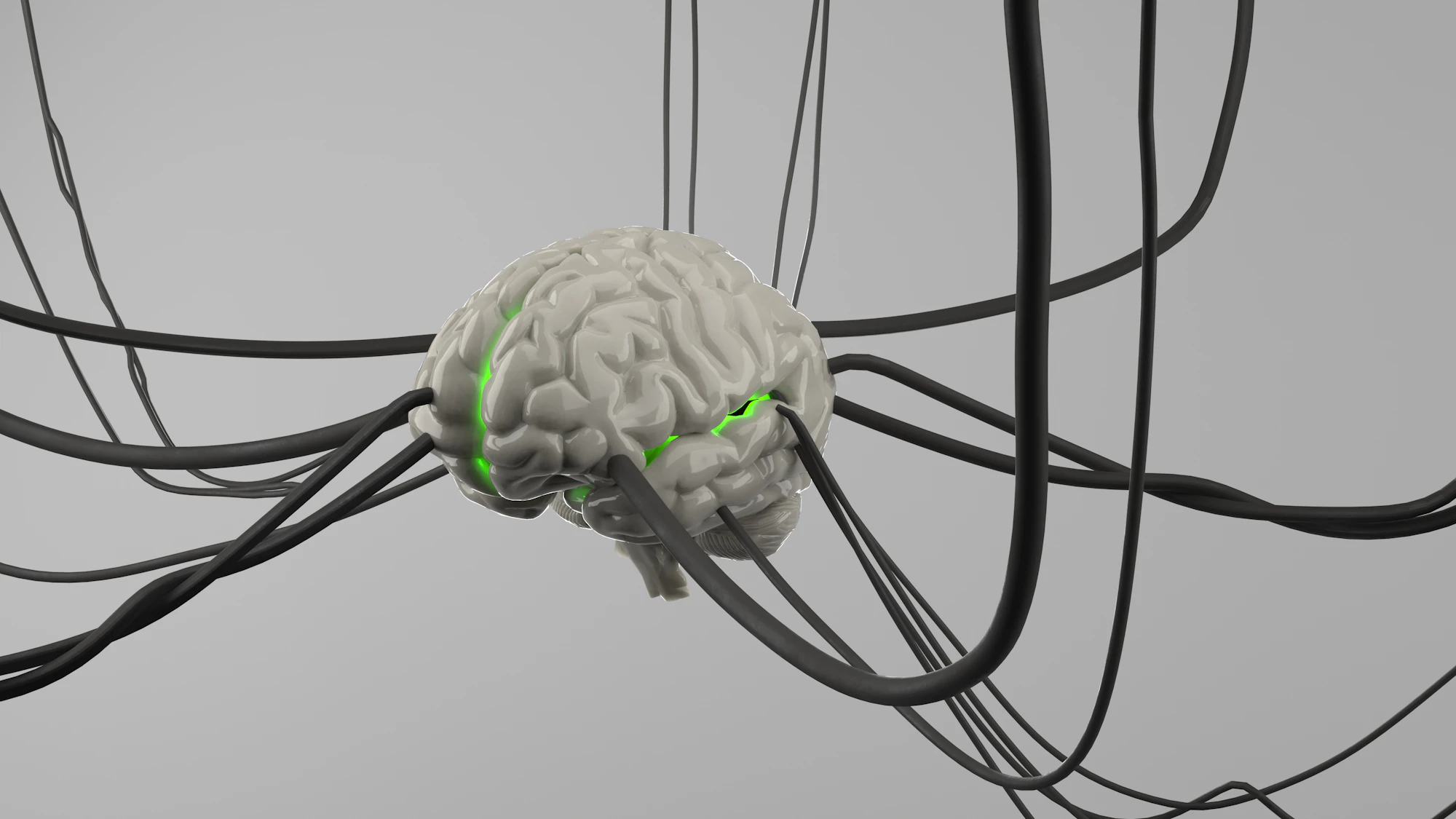

Better recovery through better data.

For 150 years, mental health diagnosis has relied on patient self-reporting. Quantitative EEG brain mapping changes that. It gives you objective, quantifiable measures of brain function, performed quickly in our outpatient clinic and fully covered by insurance.

Both you and your patient receive a copy of the final report

Rapid, inexpensive, reliable brain function measurement.

Until recently, EEG-based brain assessment was expensive, labor intensive, and impractical for routine clinical use. The ability to measure functional brain health quickly and reliably is critical for identifying serious medical and behavioral health conditions, and for tracking response to treatment.

Quantitative EEG brain mapping is a powerful FDA-cleared tool that helps physicians and behavioral health specialists evaluate behavioral health issues, addiction disorders, neurological and cognitive deficiencies, and traumatic brain injuries. It's not a replacement for clinical judgment. It's a complement to it.

Because of its high sensitivity, brain mapping can identify important issues a patient may not have disclosed, gauge the severity of symptoms, and detect subtle changes in mental health that might otherwise go unnoticed during ongoing treatment.

Patient wearing a qEEG sensor cap during a brain mapping session

Repeat scans every 4 to 6 months objectively track patient response to treatment.

From referral to follow-up, in four straightforward steps.

Designed to fit cleanly into your existing workflow. No new portals, no complicated paperwork, and no insurance hoops for your patient.

  1. Send the referral

    Refer your patient through our online form, by phone, or via your usual referral pathway. Our intake team handles scheduling, insurance verification, and patient communication.

  2. Patient is scanned in our clinic

    Your patient comes in for a 30-minute appointment. The scan itself is non-invasive, painless, and performed by trained clinical staff in a confidential, professional setting.

  3. You receive a detailed report

    Both you and your patient get a copy of the analysis. One of our specialists is available to review the findings with you and answer questions, so the data integrates cleanly into your treatment plan.

  4. Track response over time

    Repeat scans every 4 to 6 months let you objectively measure response to medication, therapy, neurofeedback, and lifestyle changes. Concrete data helps your patient stay engaged with treatment.

Comprehensive diagnostic capabilities for your practice.

Highly sensitive to functional patterns associated with a wide range of psychiatric, neurological, and cognitive conditions.

  • Depression
  • Anxiety
  • Attention Deficit Disorder
  • PTSD
  • OCD
  • Sleep disorders
  • Memory loss
  • Dementia (up to 15 years prior to clinical symptoms)
  • Residual traumatic brain injuries (that CT/MRI may miss)
  • Dyslexia, visual and auditory processing issues
  • Autonomic nervous system dysfunction
  • Addiction and substance use disorders

Enhance your practice with objective diagnostic data.

Brain mapping gives your patients something they can see, understand, and act on, which translates to better engagement and better outcomes for your practice.

Support diagnosis with better data

Confirm or refine working diagnoses using objective, quantifiable brain function data. Catch hidden issues that patients may not have disclosed and gauge symptom severity with sensitivity that self-report scales can't match.

Improve treatment compliance

When patients can see their own brain on a screen, abstract diagnoses become concrete. That visual, data-driven feedback motivates adherence to early, life-changing interventions and helps reduce dropout.

Demonstrate effectiveness

Repeat assessments every 4 to 6 months let you show patients (and document for the chart) measurable response to talk therapy, medication, neurofeedback, supplementation, and lifestyle changes. Better data, better retention, reduced liability.

Frequently Asked Questions

You can refer through our online provider form, by phone at (800) 983-1974, or via secure fax. Our intake team handles scheduling and insurance verification, then sends you confirmation once the appointment is booked.
Yes. Brain mapping is covered by all major commercial insurance plans, Medicare, and Medicaid. Self-pay options are also available with substantial discounts. Coverage is verified before your patient's appointment.
Yes. Both the referring provider and the patient receive a copy of the final report. One of our specialists is available to review the analysis with you and answer questions about the findings.
Approximately 30 to 45 minutes total, with about 20 minutes of active recording. Patients can drive themselves home and return to normal activities immediately. There's no recovery time and no medication involved.
Depression, anxiety, ADHD, PTSD, OCD, sleep disorders, traumatic brain injury, addiction, and early dementia screening are among the highest-yield indications. It's also valuable for objectively tracking treatment response over time.
No. Brain mapping is a complement to clinical assessment, not a replacement. It adds objective functional data to the picture you build through history, exam, and self-report instruments. Clinical judgment still leads.
Absolutely. Many of our referrals are for objective tracking of treatment response, particularly for patients on complex medication regimens or those who have plateaued in talk therapy. Repeat scans at 4 to 6 month intervals are ideal.

Fully insured, easy on your patients.

Brain mapping is covered by all major commercial insurance plans, Medicare, and Medicaid. Your patients won't face surprise bills or out-of-network charges. Self-pay rates with substantial discounts are also available for patients without coverage. Call (800) 983-1974 or contact our provider liaison to discuss specifics.

Ready to enhance your patient care?

Partner with Foundation Medical Group to offer your patients evidence-based brain mapping services. Our team is here to support your practice, simplify the referral process, and improve patient outcomes.