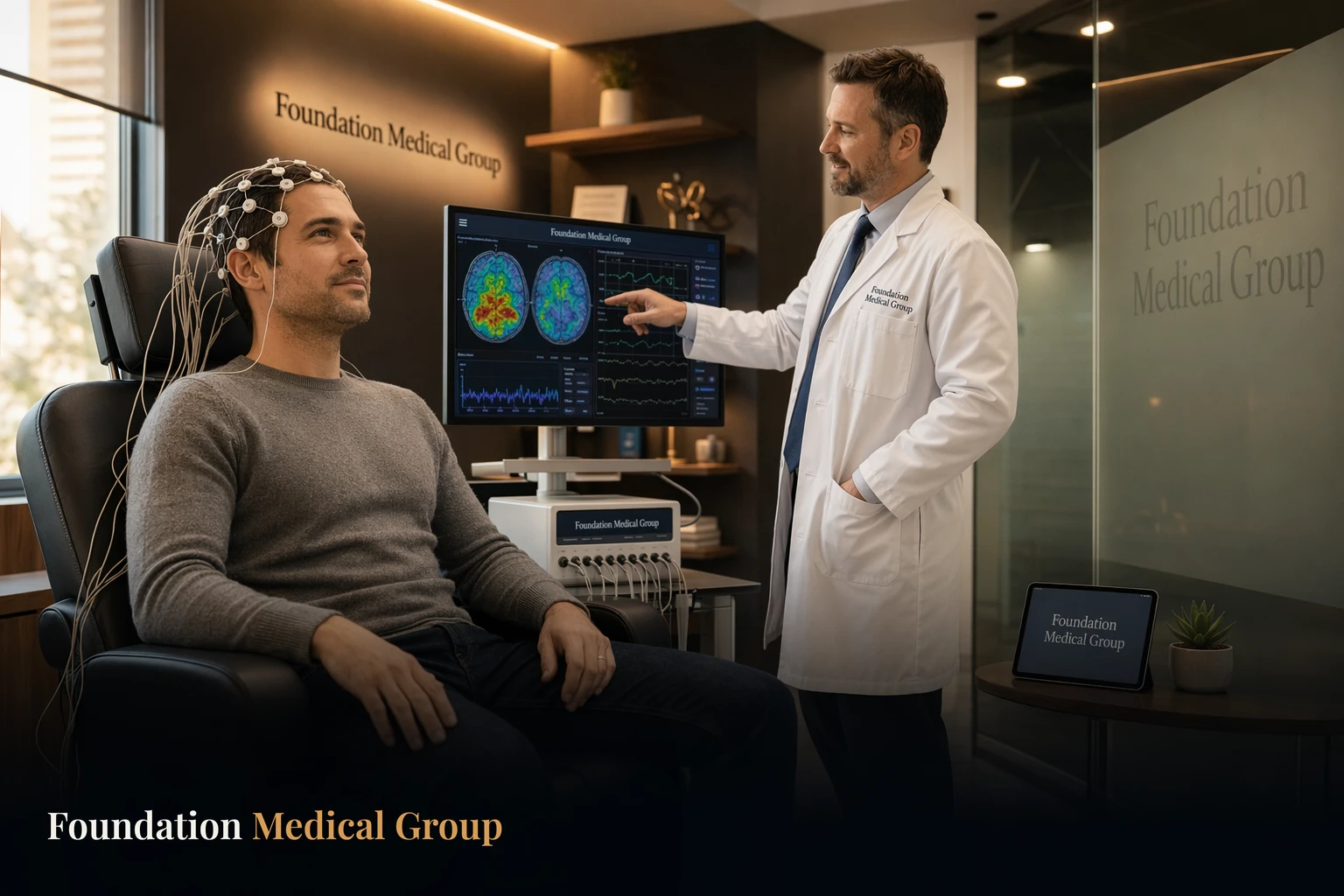
Brain mapping in Richmond VA uses EEG to measure brain activity and guide care for mental health and addiction. It’s noninvasive and data-driven. Clinics here pair it with neurofeedback and medication planning, and some now offer what they call ebrain mapping Richmond clinics have added in the last couple of years. Most adults who search brain mapping near me want the same handful of things: better focus, a steadier mood, sharper memory, and a recovery that holds.
Across the region, clinics fold brain mapping Richmond services into neurofeedback and physician-led care. That mix supports mental health goals, trauma recovery, and addiction treatment for people across the country. Why Richmond? Skilled clinicians, wider insurance acceptance, and clinics that keep testing and treatment under one roof.
Introduction to Brain Mapping in Richmond
Brain mapping Richmond services help adults see how brain function ties to daily life. Clinics offering brain mapping Richmond VA often work with people who live with anxiety, ADHD, depression, or addiction. Plenty of them come in after standard care helped, but not enough.
The test shows how brain patterns shape focus, sleep, mood control, and memory. Providers often add neurofeedback to retrain the areas that are off. And Richmond keeps growing as a hub because one clinic can handle the test, the training, and the medicine. That saves time. It also closes the gaps where people tend to fall out of care.
What Is Brain Mapping and How Does It Work?
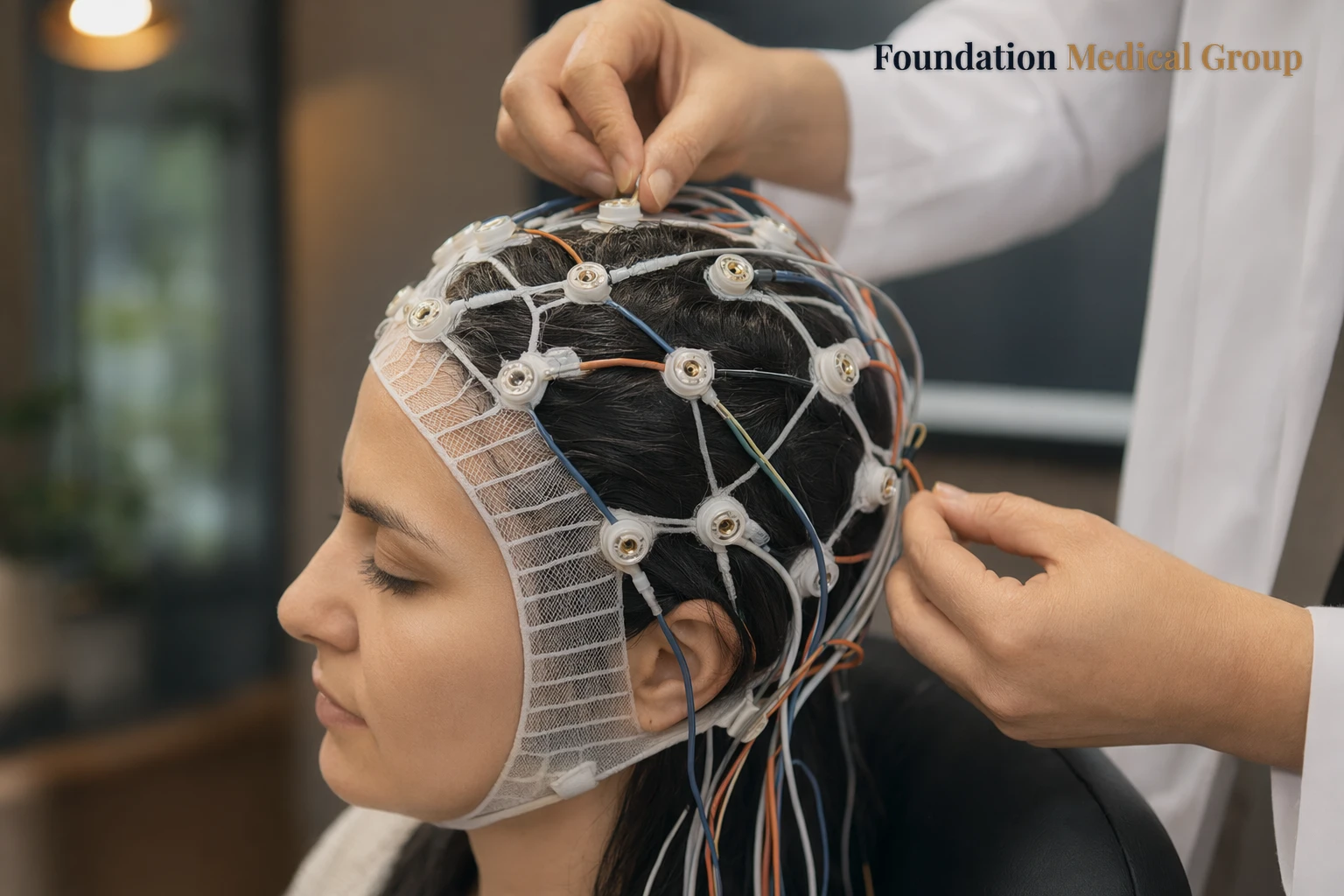
Brain mapping Virginia clinics use EEG sensors to record the electrical signals your scalp gives off. EEG brain mapping Virginia services track how the brain talks to itself at rest and during simple tasks. No current goes in. The risk is very low.
The test collects raw data on brain patterns. A trained clinician then reads that data and looks for trends that match your symptoms. The reading matters, because numbers alone don’t tell the whole story. From there your provider sets clear neurofeedback goals.
According to the American Clinical Neurophysiology Society, EEG has been used safely in clinical care for decades, with modern standards reaffirmed as recently as 2022. Most sessions run 60 to 90 minutes, based on typical clinic protocols in use in 2024. That fits around a work day, which is half the point.
Understanding qEEG vs Standard EEG
A standard EEG looks for seizures or big red flags. qEEG brain mapping Virginia adds stats that compare your results against age-based norms. That comparison is what flags the smaller regulation issues tied to mental health.
Most clinics use the two together when they plan neurofeedback. The extra data helps aim training at the areas linked to anxiety or ADHD. Over time, that aim gets better.
Conditions Commonly Evaluated With Brain Mapping
Clinicians use brain mapping across a wide range of mental health concerns. Adults ask for it most often for ADHD, anxiety, depression, or PTSD. Patterns tied to attention, mood control, and sleep explain a lot of what feels hard day to day.
Substance use disorder is the other big one. Addiction shifts how the brain talks to itself, and that shift raises relapse risk. Neurofeedback and a solid medicine plan can help steady it.
The CDC reports that about 4.4 percent of U.S. adults have ADHD, based on national survey data published in 2023. A number like that gives context. Your own chart still tells you more.
How Brain Mapping Supports Addiction Treatment
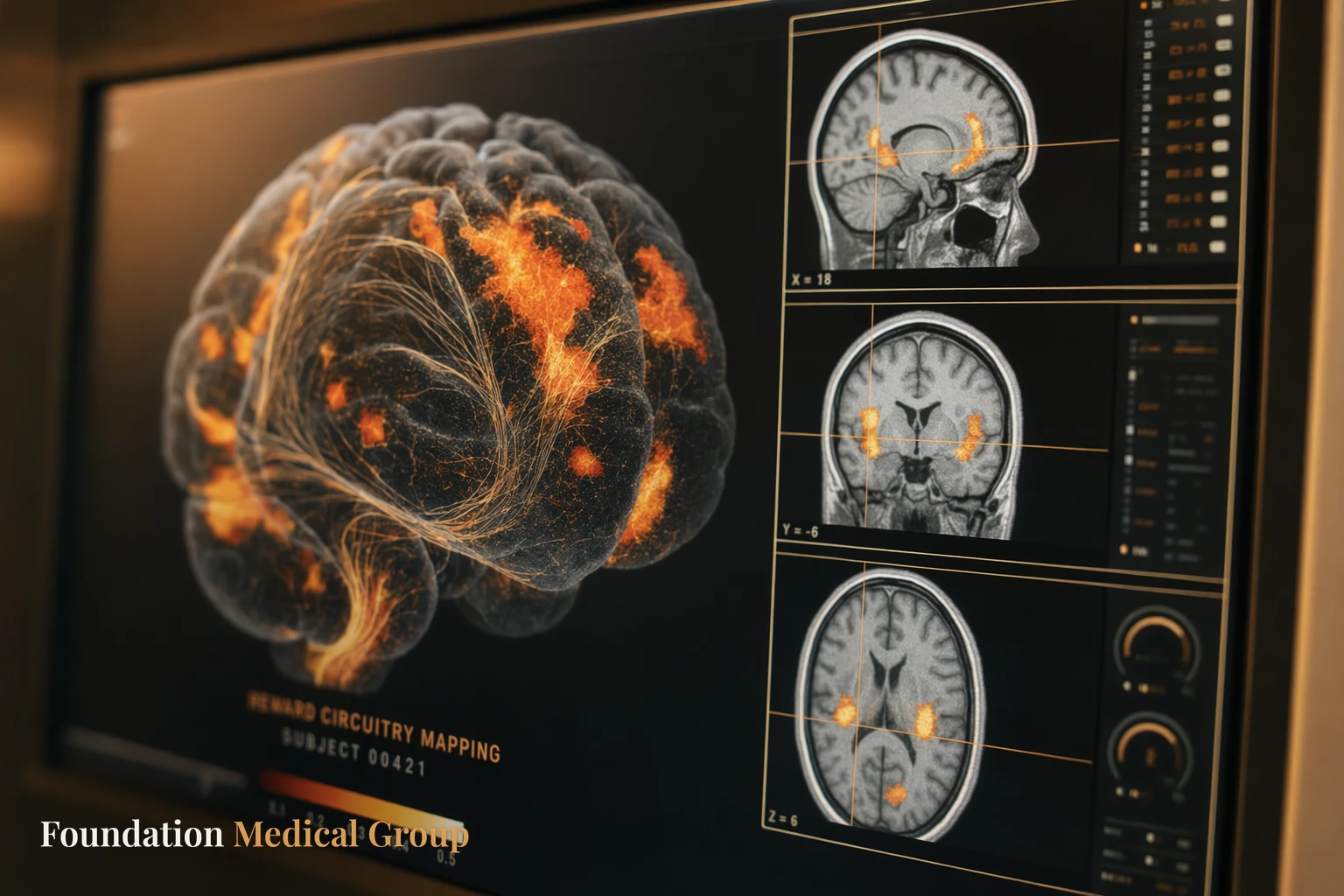
Brain mapping can flag the dysregulation tied to cravings and relapse risk. That insight feeds planning at a suboxone clinic Virginia or a subutex clinic near me. Your clinician uses it to shape both the medicine and the therapy.
Here’s the split, in plain terms:
- Medicine holds the body steady, so cravings and withdrawal stop running your day.
- Neurofeedback trains self-control through repeat sessions, and it works slowly rather than all at once.
- Therapy takes on the parts a brain scan won’t show you, like grief, work stress, or a home you’re scared of losing.
The Substance Abuse and Mental Health Services Administration reports that buprenorphine treatment cuts opioid-related mortality by about 50 percent, according to outcome data summarized in 2023. Brain data doesn’t replace any of that. It sharpens the plan built around it.
Brain Mapping and Medication-Assisted Treatment Decisions
qEEG findings can guide care at a suboxone doctor Richmond office or a buprenorphine clinic Midlothian. Your clinician reviews the patterns tied to impulse control and stress. Then they fine-tune the dose and the follow-up.
They also track neurofeedback progress while you’re on Suboxone or Subutex. Symptoms and brain data get read side by side. That loop is what makes a plan better month to month.
Accessing Brain Mapping and MAT With Medicaid or Insurance
Cost is the first thing most people ask about. Suboxone clinic Virginia Medicaid options now include physician-led programs that take insurance. Finding suboxone doctors near me that accept Medicaid gets easier when one clinic runs both the testing and the treatment.
Coverage for brain mapping varies by plan, so ask before you book. Some clinics bundle the test with treatment planning to keep the cost down. Medicaid-friendly models lean on access, safety, and staying in care. Ask what your plan pays for up front, not after the bill lands.
Local and Telehealth Treatment Options
In-person testing and neurofeedback are available in Richmond and Midlothian. Telehealth has widened access to online suboxone doctors that take insurance. Telehealth suboxone doctors that accept Medicaid now serve adults across Virginia.
Some programs reach Texas and Utah too. Online follow-ups cut the drive, and the drive is often what makes people quit. Local testing, remote check-ins. For plenty of people that mix just works.
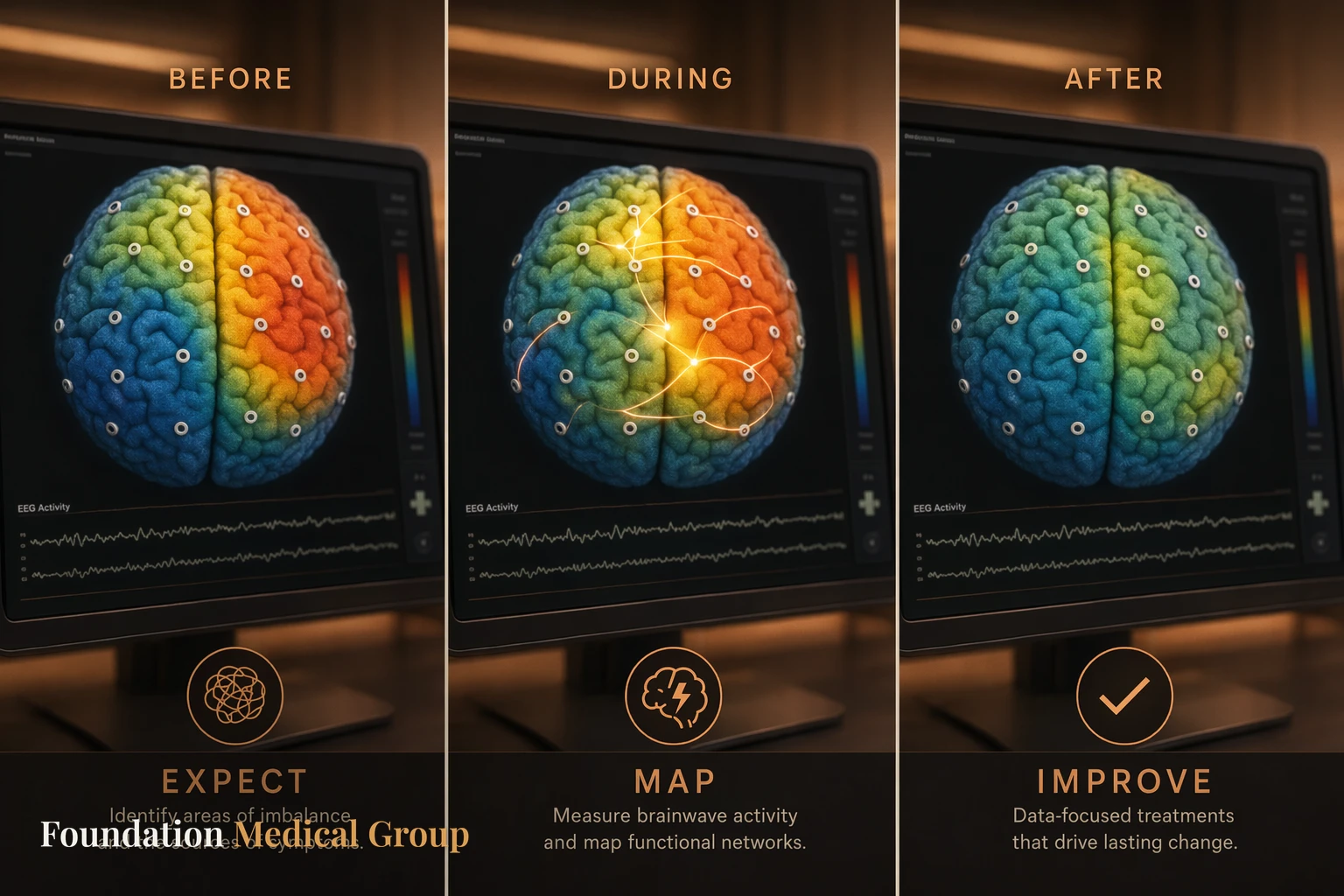
What to Expect Before, During, and After Brain Mapping
Before the test, the clinic emails you prep steps along with your appointment date. Most ask you to skip caffeine that morning. Staff book a time that fits your week.
During the session, a tech places sensors on your scalp. You sit still while the system records. It doesn’t hurt, which answers the question people ask us most: is brain mapping safe?
Afterward, your clinician reads the results and talks through whether brain mapping is legitimate for the concerns you brought in. They may suggest neurofeedback, therapy, or medicine. The report guides your next step. It isn’t a diagnosis on its own.
Infographic Overview of Brain Mapping and Treatment Integration
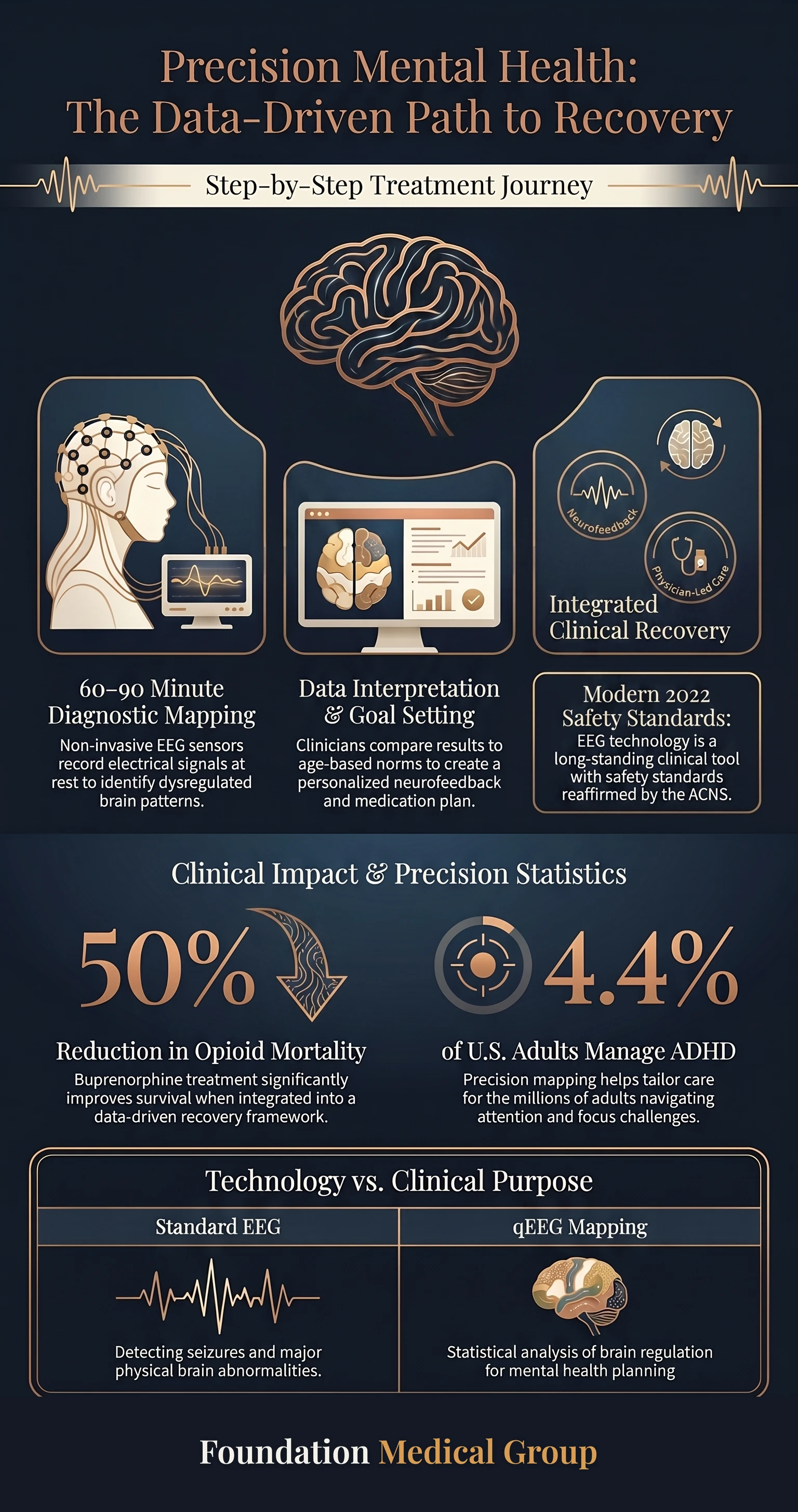
Most infographics put EEG and qEEG side by side. They show how brain mapping Texas and qEEG brain mapping Texas clinics use the data to personalize care. A picture helps here, honestly, more than another page of text.
FAQ
Is brain mapping safe for adults and children?
Brain mapping uses passive EEG recording and is considered very safe. It doesn’t stimulate the brain. Clinics may also evaluate children when appropriate.
Is brain mapping legitimate for mental health care?
Brain mapping is widely used as a clinical tool. Peer-reviewed research shows qEEG supports treatment planning when trained clinicians interpret the data.
How does neurofeedback relate to brain mapping?
Brain mapping identifies target areas. Neurofeedback then trains those areas through repeated sessions. The two approaches are designed to work together.
Can brain mapping help with addiction treatment decisions?
Yes. Brain data can support decisions about medication and therapy. It may guide care within Suboxone or Subutex programs.
Does Medicaid cover brain mapping services?
Coverage depends on the state and plan. Many clinics combine brain mapping with Medicaid-accepted addiction treatment to improve access.
Key Takeaways and Final Thoughts
Brain mapping near me searches tend to lead adults toward care built on data. qEEG and neurofeedback give you a view of the patterns tied to mental health and addiction. That beats a one-size plan.
Physician-led clinics now put testing, medicine, and neurofeedback under one roof. Suboxone clinics near me that accept Medicaid bring it within reach. With the right team, brain mapping can support long-term stability and a healthier life. It starts with one phone call.
Sources
- StatPearls, Electroencephalogram.
- Aetna, Clinical Policy Bulletin 0221: Quantitative EEG (Brain Mapping).
- Micoulaud-Franchi and colleagues, EEG neurofeedback treatments in children with ADHD, Frontiers in Human Neuroscience (2014).
- Substance Abuse and Mental Health Services Administration, Buprenorphine.