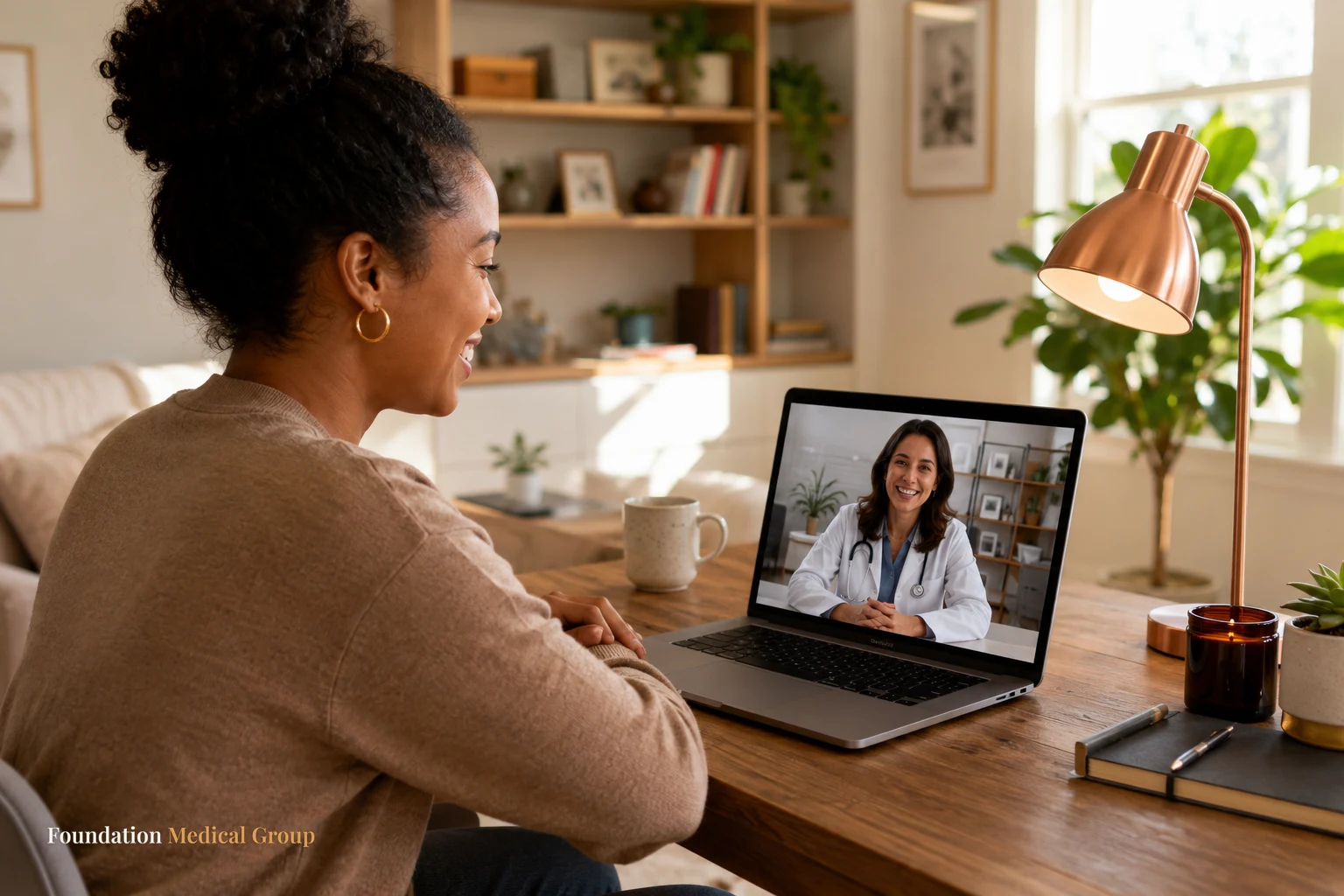
A telehealth Suboxone visit is simpler than most people expect. You book a video appointment, confirm your Medicaid coverage, and meet a doctor by phone or laptop. You talk through your history, the doctor confirms the diagnosis, and if it’s a good fit, they send an e-prescription to your local pharmacy. You pick it up the same day and start care.
That’s the whole shape of it. Online Suboxone doctors who accept Medicaid do this every day, and the steps are clear once you see them laid out. Below we walk through each part, so nothing catches you off guard. For the bigger picture, see our telehealth Suboxone doctors accepting Medicaid hub.
Why Telehealth Works for Suboxone
Suboxone care fits video visits really well. Most of it is talking, listening, and adjusting your plan. You don’t need a lab coat in the room to do that safely.
According to the Substance Abuse and Mental Health Services Administration (SAMHSA), doctors are allowed to start buprenorphine, the main ingredient in Suboxone, through an audio-visual telehealth visit. That means you can begin treatment by video, not just refill it later. This one rule opened the door for people who live far from a clinic or can’t take time off work.
There’s federal rulemaking underneath that. A DEA and HHS rule published 17 January 2025 lets a prescriber start buprenorphine over an audio-only telemedicine encounter. They can write up to a 6-month supply, split across several prescriptions, after checking your state’s prescription drug monitoring database. A fourth temporary extension issued 31 December 2025 carries the broader pandemic-era telemedicine flexibilities through 31 December 2026.
Does starting online actually work as well? Researchers checked, using Medicaid claims from Kentucky and Ohio. Across 41,266 Kentucky and 50,648 Ohio enrollees who received buprenorphine in 2020, starting by telemedicine came with slightly better odds of still being in treatment at 90 days. The adjusted odds ratios were 1.13 in Kentucky and 1.19 in Ohio. Nonfatal overdose rates showed no meaningful difference either way.
The 5 Steps of a Telehealth Suboxone Visit
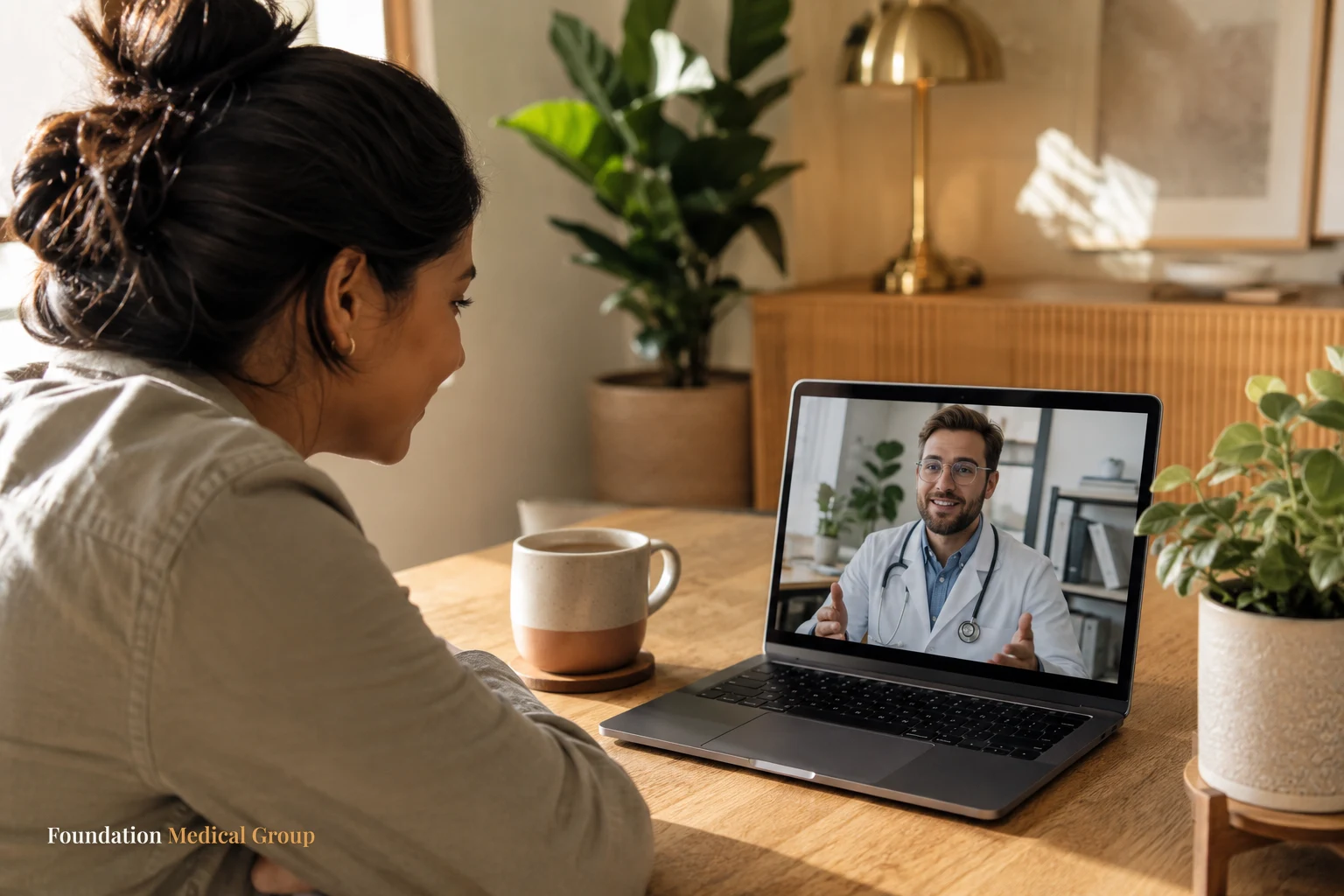
Here’s the actual process from start to finish. Each step is short, and your care team guides you through it.
- Book your visit. You pick a time online or by phone. Many online Suboxone doctors offer same-week, sometimes same-day, appointments.
- Verify your Medicaid. The clinic checks your plan before the visit. This confirms your coverage so there are no surprise bills.
- Meet the doctor by video. You talk through your history and goals. The doctor confirms the diagnosis and answers your questions. Timing matters here: the Suboxone label says the first dose waits until clear withdrawal signs show up, and no sooner than 6 hours after your last short-acting opioid. Clinicians score that with the Clinical Opioid Withdrawal Scale, an 11-item checklist where 5 to 12 is mild and 13 to 24 is moderate.
- Get your e-prescription. If Suboxone is right for you, the doctor sends it straight to your pharmacy. No paper, no fax.
- Do your follow-ups. You check in on a set schedule, often by video, so the doctor can see how you’re doing and adjust. Day 1 usually tops out at 8 mg/2 mg in split doses, day 2 can reach 16 mg/4 mg, and steady maintenance normally settles between 4 mg/1 mg and 24 mg/6 mg a day.
That’s it. 5 steps, and 4 of them can happen from your couch.
What You Need for Your Video Visit
You don’t need much. A little setup ahead of time makes the visit smooth. Here’s a simple checklist.
| What to have ready | Why it helps |
|---|---|
| A phone, tablet, or laptop with a camera | So the doctor can see and hear you |
| Your Medicaid ID card | To confirm coverage fast |
| A quiet, private spot | So you can speak openly |
| A list of your medicines | So the doctor avoids bad mixes |
| Your pharmacy name and address | So the e-prescription goes to the right place |
If you don’t have a camera, ask the clinic. In many cases an audio-only visit is allowed to get you started. The point is to remove roadblocks, not add them.
Step 2 Up Close: Verifying Your Medicaid
This is the step people worry about most, so let’s slow down here. Medicaid covers Suboxone treatment for opioid use disorder in every state. What you pay is usually little or nothing when you see a doctor who takes your plan.
Which makes the national picture frustrating. NIDA reports that fewer than 20 percent of people with opioid use disorder actually receive any medication for it, and pharmacy stocking, provider supply and plain stigma explain far more of that gap than coverage rules do.
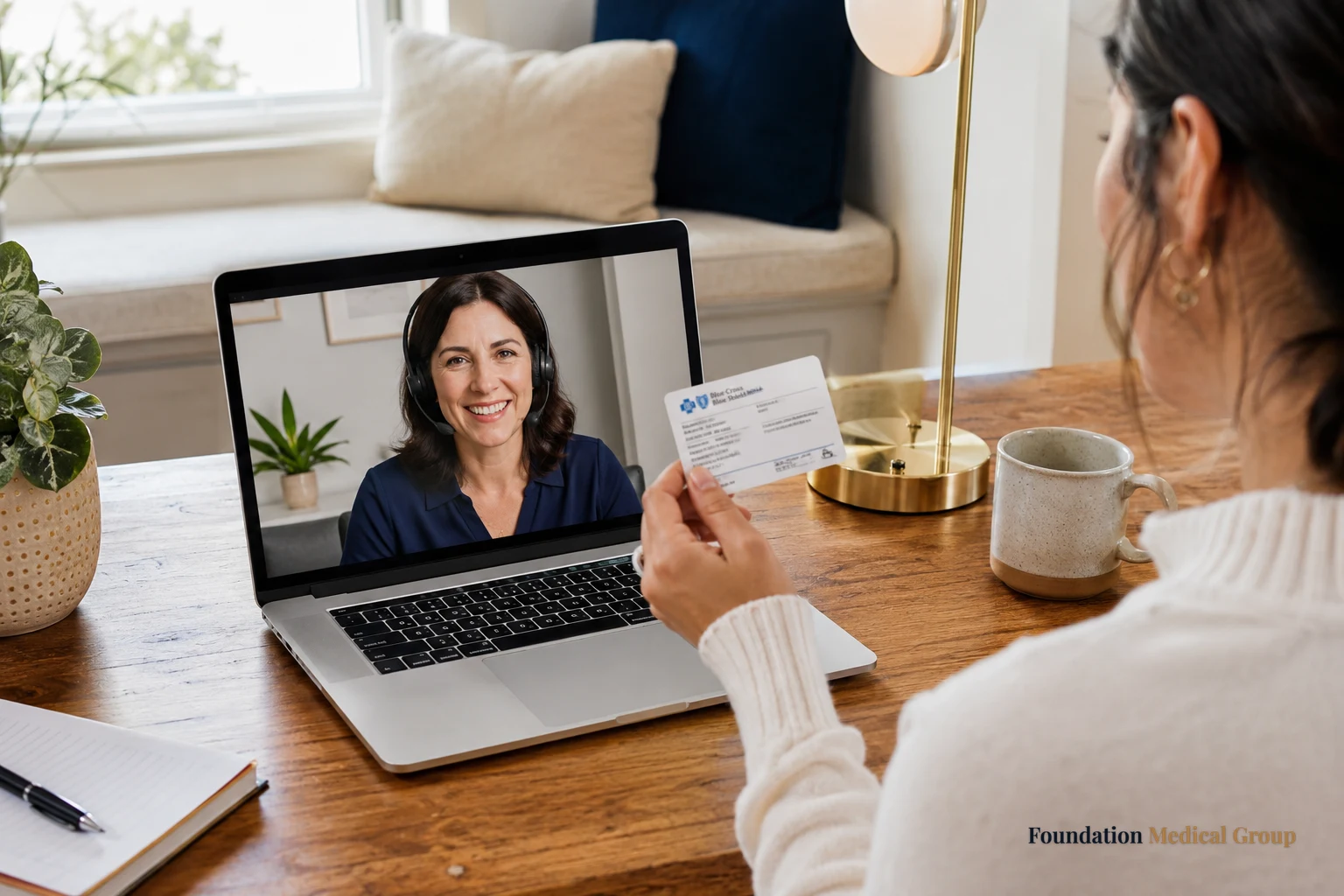
Before your visit, the clinic runs your Medicaid ID to confirm two things: that your plan is active, and that they’re in your network. Two quick checks save you from a surprise bill later. If you’re unsure your plan covers it, our does Medicaid cover Suboxone guide walks through the details.
One tip: keep your Medicaid details current. A wrong address or an expired card is the most common reason a claim gets held up. A 2-minute update now prevents a headache later.
Telehealth vs In-Person: What’s Different
Both paths give you the same medicine and the same doctor-led care. The difference is mostly about convenience and comfort. This table lays it out.
| Telehealth visit | In-person visit | |
|---|---|---|
| Where you are | Home, work, or car | At the clinic |
| Travel time | None | The drive both ways |
| First appointment | Often same week | Depends on openings |
| Follow-ups | Usually by video | Back to the clinic |
| Medicaid coverage | Covered | Covered |
The care itself is the same standard either way. Plenty of patients start online, then choose whatever mix of video and in-person feels right as they go.
After Your First Visit
The first visit is the biggest one. After that, care gets lighter. Your follow-ups happen more often at the start, then space out as you feel steady.
Most check-ins are quick and can be done by video. The doctor asks how you’re feeling, reviews how the medicine is working, and refills your prescription. If something needs a closer look, they’ll tell you.
Staying in these visits is the single best thing you can do, and the mortality data backs that up hard. A 2017 BMJ meta-analysis pooling 19 cohorts found 4.3 deaths per 1,000 person-years among people on buprenorphine while they stayed in treatment, versus 9.5 per 1,000 once they dropped out. Overdose deaths specifically ran 1.4 versus 4.6 per 1,000. Follow-ups keep your prescription active and your care on track. If you also carry private insurance, our online Subutex doctors that take insurance page covers that route too.
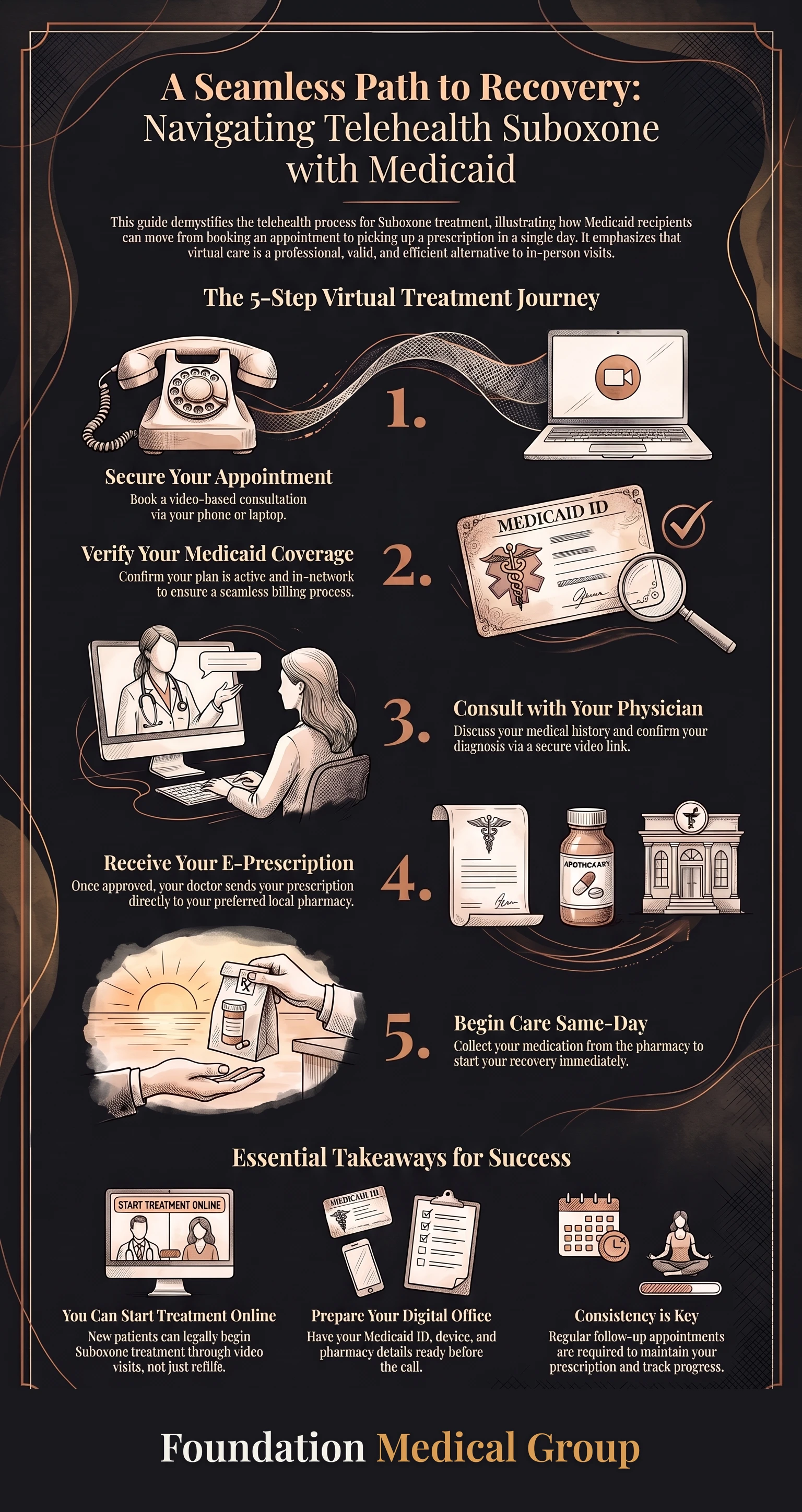
Infographic: Your Telehealth Suboxone Visit, Step by Step
Frequently Asked Questions
Can I really start Suboxone through a video visit?
Yes. SAMHSA allows doctors to start buprenorphine, the main ingredient in Suboxone, through an audio-visual telehealth visit. So you can begin treatment by video, not just refill it. Your doctor will confirm it’s the right fit during the appointment.
Does Medicaid cover an online Suboxone visit?
Yes. Medicaid covers Suboxone treatment for opioid use disorder, including telehealth visits, in every state. Your share is usually small or nothing when you see a doctor who takes your plan, so confirm coverage before you book.
How fast can I get my prescription?
Often the same day as your first visit. Once the doctor decides Suboxone is right for you, they send the e-prescription straight to your pharmacy. You pick it up as soon as it’s ready, no paper or fax involved.
What if I don’t have a camera on my phone?
Ask the clinic. In many cases an audio-only visit is allowed to get you started, then you switch to video later if needed. The goal is to remove roadblocks, so tell them what device you have.
Do I have to keep doing video visits forever?
No. You choose the mix that fits your life. Many people do video follow-ups because they’re easy, but you can meet in person anytime, and your doctor will guide the schedule as you feel steady.
Key Takeaways and Next Steps
Here’s what to hold on to. A telehealth Suboxone visit runs in 5 clear steps: book, verify your Medicaid, meet the doctor by video, get your e-prescription, and do your follow-ups. Most of it happens from home, and with Medicaid your cost is usually small or nothing. The medicine and the doctor-led care are the same standard as in-person.
- Have your device, Medicaid ID, and pharmacy details ready before the visit.
- Confirm your plan is active and in-network so there’s no surprise bill.
- Know that you can start, not just refill, Suboxone by video.
- Keep your follow-ups, since they hold your prescription and your progress in place.
Ready to start? Reach out to Foundation Medical Group and book a telehealth visit. One video appointment is often all it takes to begin care from right where you are.
Sources
- Hammerslag LR, et al. Telemedicine buprenorphine initiation and retention in opioid use disorder treatment for Medicaid enrollees. JAMA Netw Open 2023;6(10):e2336914.
- Drug Enforcement Administration and HHS, Expansion of Buprenorphine Treatment via Telemedicine Encounter, 90 FR 6504.
- Drug Enforcement Administration and HHS, Fourth Temporary Extension of COVID-19 Telemedicine Flexibilities.
- Suboxone (buprenorphine and naloxone) sublingual film prescribing information, DailyMed, National Library of Medicine.
- Sordo L, et al. Mortality risk during and after opioid substitution treatment. BMJ 2017;357:j1550.
- National Institute on Drug Abuse, Medications for Opioid Use Disorder.