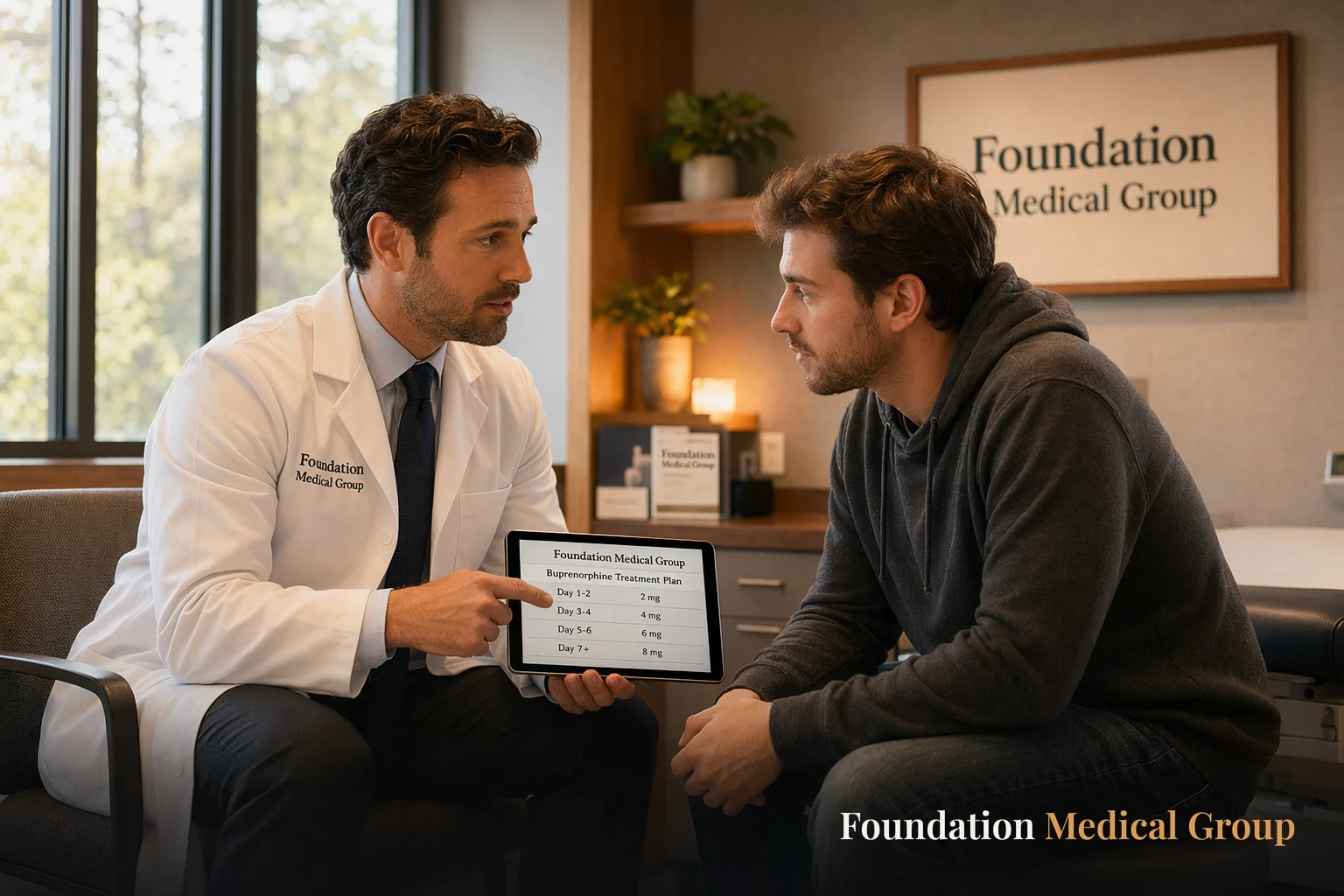
A Suboxone doctor in Atlanta treats opioid use disorder with buprenorphine-based care. You can go in person or meet by video, and both routes take Medicaid and private plans. What matters more is the plan behind the script and the doctor who owns it.
Suboxone pairs buprenorphine with naloxone to blunt cravings and withdrawal. It works best with steady follow-up visits, counseling, and one team that talks to itself. A Suboxone doctor anywhere in Georgia follows the same federal rules. The SAMHSA locator at findtreatment.gov shows who is taking new patients.
Introduction
This guide is for adults and families hunting for a suboxone doctor Atlanta residents can lean on. It weighs a local clinic against online care that fits a work week. Most people want plain answers on steps, costs, and coverage before they call anyone.
Suboxone and Subutex are old, well-studied tools for opioid use disorder. They ease cravings and make daily life steady enough to build on. Below you’ll see how clinics, telehealth doctors, and insurance fit together. You’ll also get the questions to ask on the first call, like whether the practice bills Medicaid directly or wants payment up front.
What Is a Suboxone Doctor and How MAT Works
A Suboxone doctor is a licensed physician or advanced clinician who prescribes buprenorphine. Buprenorphine is a partial opioid agonist. It takes the edge off withdrawal without the high of a full agonist.
According to SAMHSA, buprenorphine cuts overdose risk by roughly half against no treatment. The scale of that gap is worth seeing. A 2017 BMJ meta-analysis pooled 19 cohorts and 15,831 people on buprenorphine. All-cause deaths ran 4.3 per 1,000 person-years while people stayed in care. After they left, the rate was 9.5. Overdose deaths went 1.4 against 4.6. Staying in care is the whole ballgame.
Medication-assisted treatment, or MAT, joins medicine, counseling, and check-ins into one plan. The medicine steadies brain chemistry. The rest of the plan gives you room to rebuild routines. Doctors track how you’re doing, tune the dose, and line up counseling. That’s a different rhythm from a methadone program, which often means a clinic visit every day.
Finding a Suboxone Doctor in Atlanta Accepting New Patients
Start with credentials, then listen to how the practice talks to you. A good suboxone clinic explains the plan and the follow-up schedule without being asked twice. Clinics taking new patients usually post intake steps and insurance details up front.
Reviews help, within reason. Atlanta reviews and clinic photos give you a feel for the place and the wait. Read for patterns, not for one angry comment. The right doctor listens, names the risks, and works to your goals rather than a template.
Local Atlanta Suboxone Clinic Options
An Atlanta clinic gives you an in-person exam and lab work in one trip. Some people just want to start face to face, and that’s a fair instinct. A suboxone clinic decatur offers much the same care with easier parking.
Access shifts by location. An Atlanta practice may hold more slots. Decatur can feel quieter. In-person care tends to suit anyone with complex medical needs, or anyone starting a medically assisted detox.
Suboxone vs Subutex Differences and Use Cases
Suboxone blends buprenorphine with naloxone. The naloxone lowers misuse risk when the film is taken as written. That’s why Suboxone is the usual first pick.
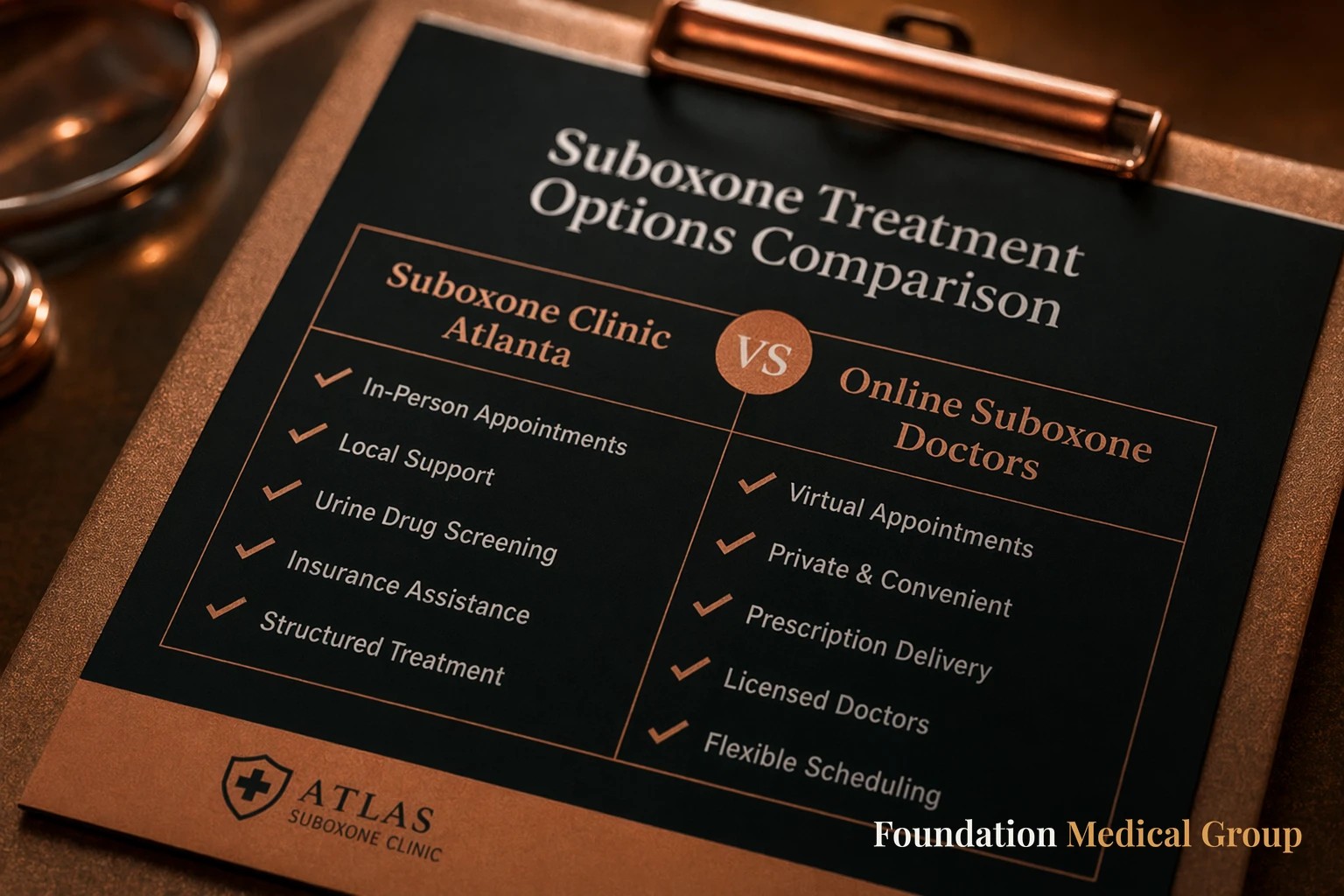
Subutex is buprenorphine on its own. Doctors reach for it in pregnancy, or when a patient reacts badly to naloxone. Searches like subutex doctors near me tend to come from those two cases. Either way, dosing, counseling, and follow-up carry the load.
Suboxone Clinic Atlanta vs Online Suboxone Doctors
Clinics give you exams, testing, and a person in the room. Online suboxone doctors that take insurance give you speed and a shorter drive, which is no small thing. Telehealth doctors who take Medicaid cut travel and missed shifts.
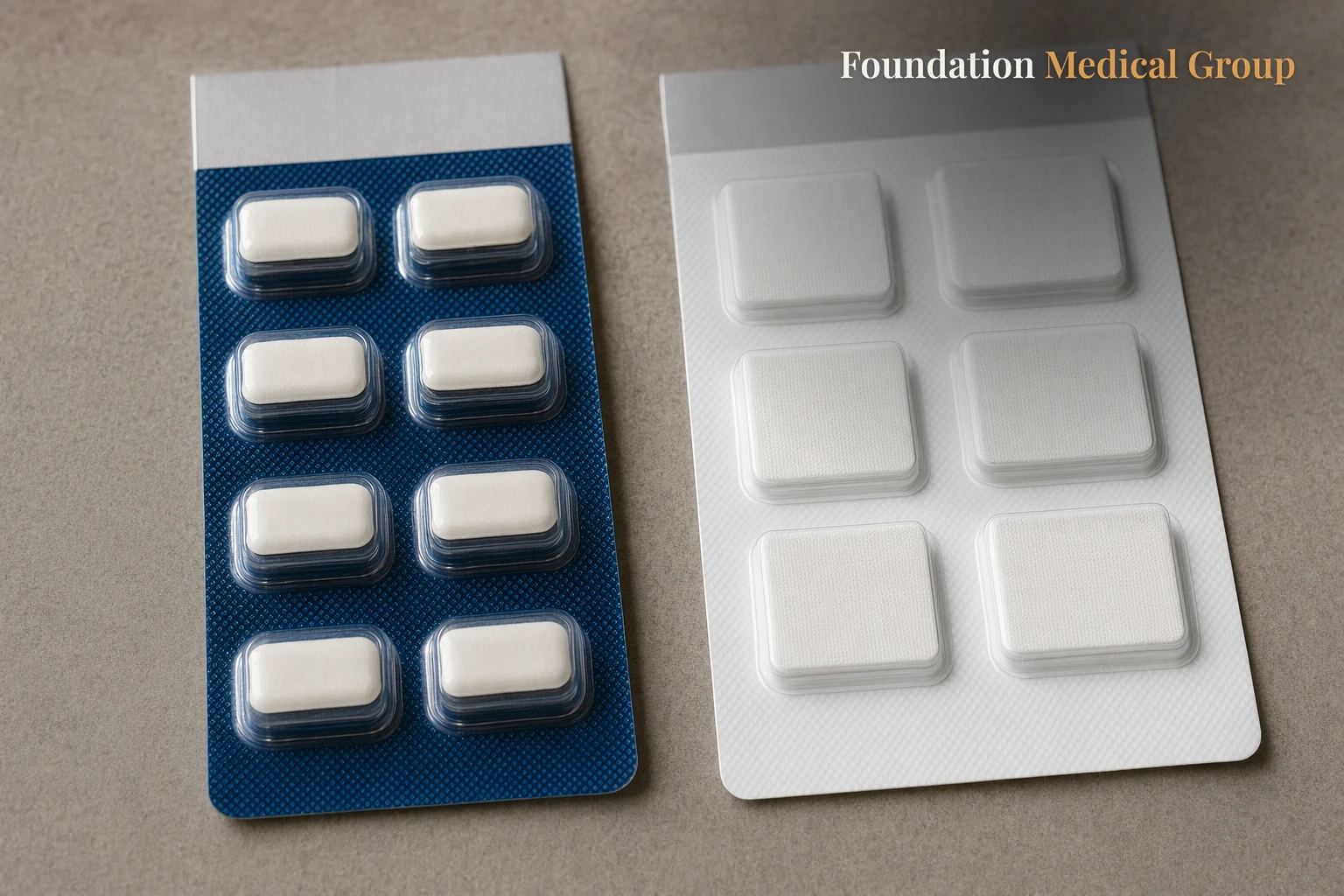
Each one fits a different week. Video works well once you’re steady. A clinic is the better call when you need closer watching or detox support.
| Feature | Atlanta Clinic | Online Care |
|---|---|---|
| Visits | In-person | Video visits |
| Access | Local hours | Flexible scheduling |
| Insurance | Medicaid, private | Medicaid, private |
| Best for | Early treatment | Ongoing recovery |
Telehealth Suboxone Doctors and Legal Requirements
Federal rules let a doctor prescribe buprenorphine after a proper video evaluation. A DEA and HHS final rule published on 17 January 2025 spelled out how far that goes. A prescriber who has checked your state drug monitoring program can issue an initial 6-month supply through telemedicine. Audio-only counts. The supply is split across several prescriptions, and the pharmacist verifies your ID at pickup. So bring the ID.
Georgia follows those rules and expects documented visits. A suboxone doctor online medicaid visit covers an assessment, consent, and pharmacy setup. You can also find suboxone clinics near you that take Medicaid through state directories. Scripts go to a local pharmacy, and check-ins keep the dose safe.
Insurance Coverage for Suboxone Treatment in Georgia
Georgia Medicaid covers Suboxone and Subutex when a doctor documents the need. Many suboxone doctors who take Medicaid take private plans as well. Check copays, prior approval, and counseling coverage before the first visit, not after.
Private plans, Cigna among them, often cover both the visit and the medicine. Searches like subutex clinic atlanta cigna narrow things down fast. Ask which product you’ll be handed, too. In 2024 Medicare Part D data, generic buprenorphine-naloxone averaged $122.89 per prescription. Brand Suboxone film averaged $473.05. Same active ingredients, very different receipt.
What to Expect at Your First Suboxone Appointment
Visit one covers your history, a physical exam, and what you want out of treatment. The doctor asks about opioid use, current prescriptions, and any pain you live with. Induction starts once mild withdrawal shows up.
The FDA label keeps day one small on purpose. You start at 2 mg/0.5 mg or 4 mg/1 mg. The dose steps up by 2 mg or 4 mg about every 2 hours, capped at 8 mg/2 mg that day. Day 2 can reach 16 mg/4 mg. Follow-ups are weekly at first, then monthly once you’re stable.
Ongoing Treatment and Recovery Support
Ongoing care is mostly about stability. The doctor tunes the dose, watches for side effects, and keeps counseling in the mix. Sessions dig into triggers, stress, and relapse planning. The rhythm usually settles into something predictable after a few months, which sounds dull until you remember that predictable is exactly what most people are trying to get back to.
Does counseling add much on top of the medicine? The POATS trial is the honest answer. Nearly half of the group, 49.2 percent, were doing well at week 12 while taking buprenorphine-naloxone, and the counseling arms showed no measurable difference. Success fell to 8.6 percent 8 weeks after tapering off. Read that as a case for staying on the medicine, not a case against counseling.
Many programs fold in mental health care too. Long-term plans may mean maintenance or a slow taper. The American Society of Addiction Medicine ties that call to how stable you are, not to a date on a calendar.
Related Services Like Brain Mapping When Appropriate
Brain mapping uses EEG or qEEG to read brain activity. Services such as brain mapping virginia support some mental health evaluations. The data can steer therapy choices for certain patients.
Availability depends on where you are. And brain mapping sits beside addiction treatment. It doesn’t replace it.
Infographic: Choosing the Right Suboxone Care Path
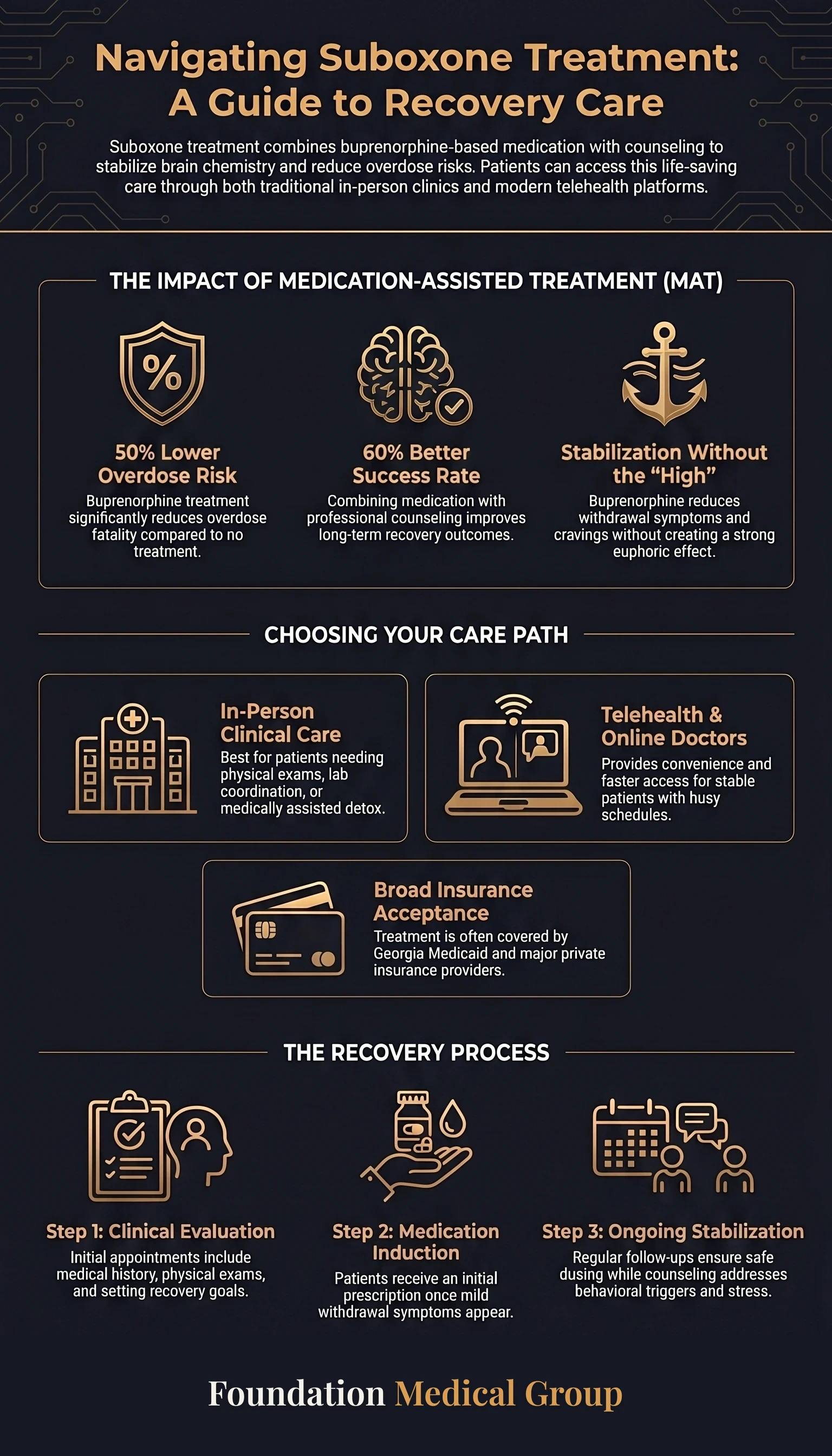
The infographic sets an Atlanta clinic next to telehealth. It covers insurance, visit steps, and rough timelines. It also flags online subutex doctors that take insurance for the cases where Subutex is the better fit.
FAQ
How quickly can I start Suboxone treatment in Atlanta?
Many clinics hold same-week intake slots. Telehealth can start within 24 to 72 hours after the evaluation.
Does Medicaid cover online Suboxone doctors?
Yes. Many telehealth suboxone doctors that accept medicaid bill covered visits and send scripts to your pharmacy.
What is the difference between methadone and Suboxone?
Methadone is a full opioid agonist, usually dosed daily at a clinic. Suboxone uses buprenorphine and allows office or video care, which is the heart of the methadone vs Suboxone comparison.
How long does Suboxone treatment last?
It varies. Some people need a few months. Others stay on it for years, and that’s a clinical call based on stability and goals.
Can family members help schedule care?
Yes. Many clinics work with families on intake and support for Atlanta patients.
Key Takeaways and Final Thoughts
- Buprenorphine care cuts overdose risk sharply, and the benefit tracks with staying in treatment.
- Georgia Medicaid and most private plans cover both visits and medicine, so check copays first.
- The 17 January 2025 federal rule allows a 6-month initial supply started by telemedicine.
- Generic buprenorphine-naloxone averaged $122.89 per prescription against $473.05 for brand film in 2024 Part D data.
- Weekly visits early, then monthly, is the usual shape of a first year.
Atlanta has real options for medicine-based recovery, in a clinic or on a screen. Weigh access, comfort, and support before you pick. Starting sooner beats starting perfectly.
Sources
- Substance Abuse and Mental Health Services Administration, Buprenorphine.
- Sordo L, et al. Mortality risk during and after opioid substitution treatment. BMJ 2017;357:j1550.
- Weiss RD, et al. Prescription Opioid Addiction Treatment Study (POATS). Arch Gen Psychiatry 2011;68(12):1238-46.
- Drug Enforcement Administration and HHS, Expansion of Buprenorphine Treatment via Telemedicine Encounter, Federal Register, 17 January 2025.
- Suboxone sublingual film prescribing information, DailyMed, National Library of Medicine.
- Centers for Medicare and Medicaid Services, Medicare Part D Spending by Drug, 2024.
- SAMHSA treatment locator, directory of licensed buprenorphine providers by state and ZIP code.